Our professional service team works closely with customers to identify application requirements and solve drilling challenges efficiently.
From product selection to after-sales support, we ensure fast response and reliable solutions.

Casing Systems

Casing Systems

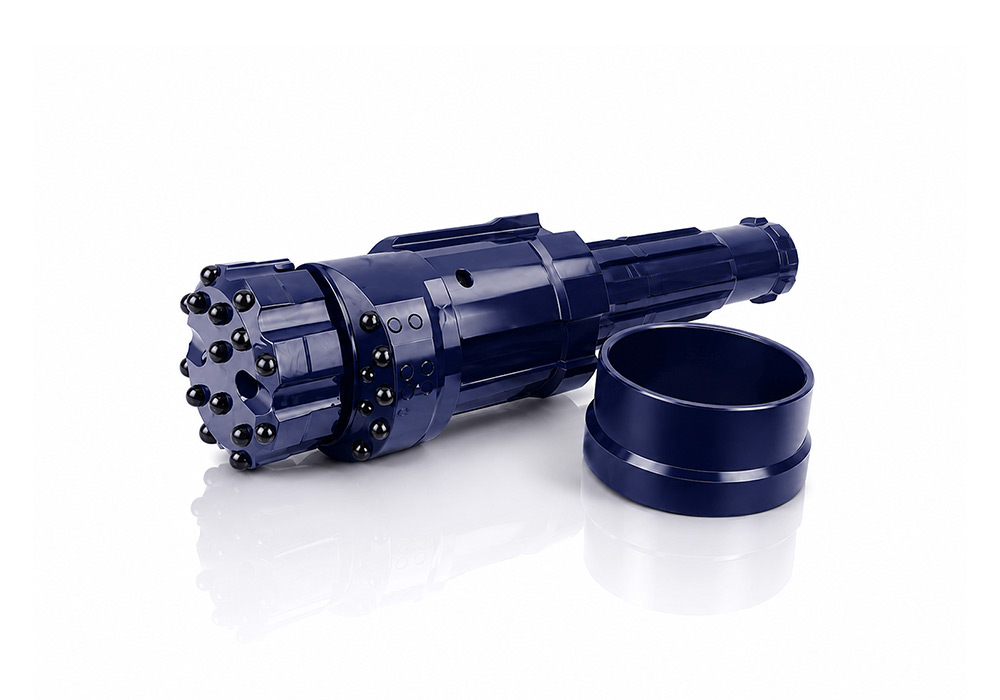
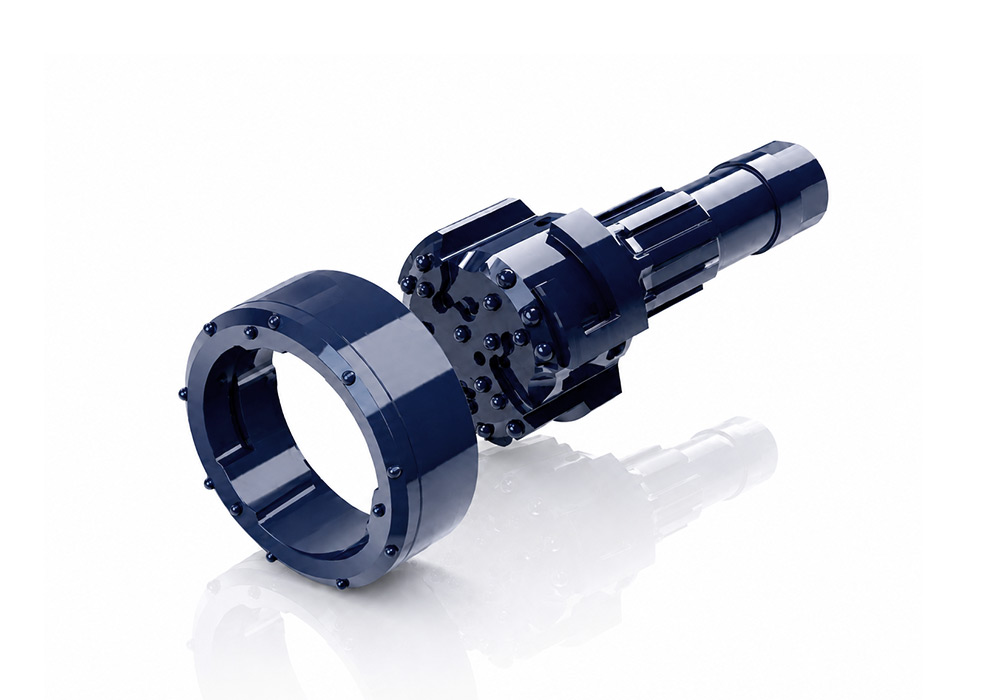
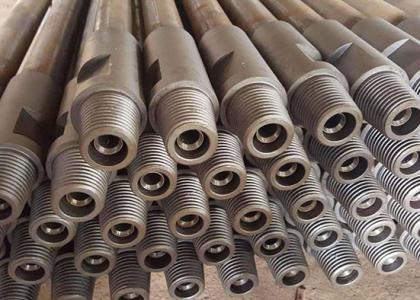
MSD provides complete casing systems for overburden drilling in unstable formations. Our eccentric (ODEX) and concentric (Symmetrix) systems include pilot bits, reamers, ring bits, casing tubes, and casing shoes for water well, foundation piling, and construction applications.

title-img PRODUCT LINES

HIGH-PERFORMANCE DRILLING TOOLS

title-img APPLICATIONS

PROVEN IN THE FIELD

title-imgWhy Choose Us

Casing Systems | ODEX & Symmetrix Drilling Systems | MSD

Casing Systems: Drilling Through Unstable Overburden

MSD (Zhuzhou Jingde Machinery Co., Ltd.) is a China-based rock drilling tools manufacturer with 23+ years of experience. We produce complete casing systems for overburden drilling, including eccentric (ODEX type) and concentric (Symmetrix type) configurations for water well, foundation piling, and construction applications.


What Is Overburden Drilling?

Overburden drilling is required when unstable surface formations — sand, gravel, cobbles, clay, or water-bearing zones — lie above the target rock. Without casing, these loose formations collapse into the hole, preventing drilling progress and causing stuck tooling.

Casing systems solve this problem by advancing a steel casing tube simultaneously with the drill bit. The casing supports the hole wall, prevents collapse, and allows drilling to continue through unstable zones until competent rock is reached.

Two casing system types exist: eccentric and concentric. Each serves different ground conditions and project requirements.


Eccentric Casing System (ODEX Type)

The eccentric casing system uses a reamer that swings outward during drilling to cut a hole larger than the casing outer diameter. This allows the casing to advance behind the bit without friction against the hole wall.

When drilling is complete or the casing must be retrieved, the reamer retracts to a diameter smaller than the casing ID, allowing the entire drill string to be pulled back through the casing. This makes ODEX a fully retrievable system — the casing can be recovered and reused.

MSD eccentric casing systems include pilot bit, eccentric reamer, casing tube, and casing shoe. They are ideal for sand, gravel, loose soil, and moderately unstable overburden formations.

Rule of Thumb: ODEX delivers 80% of Symmetrix capability at 60% of the cost. For most overburden conditions without large boulders or extreme instability, ODEX is the cost-effective choice.


Concentric Casing System (Symmetrix Type)

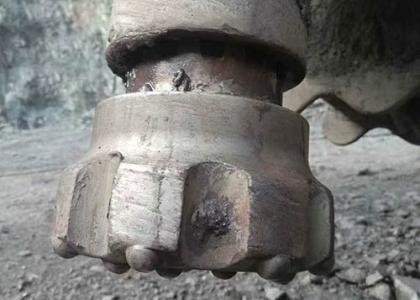
The concentric casing system uses a ring bit that cuts a hole exactly matching the casing outer diameter. The casing advances in direct contact with the hole wall, providing maximum stability in the most difficult ground conditions.

The ring bit remains in the hole upon completion, but depending on the project requirements, the casing tube itself can either be left as a permanent installation or retrieved for reuse.

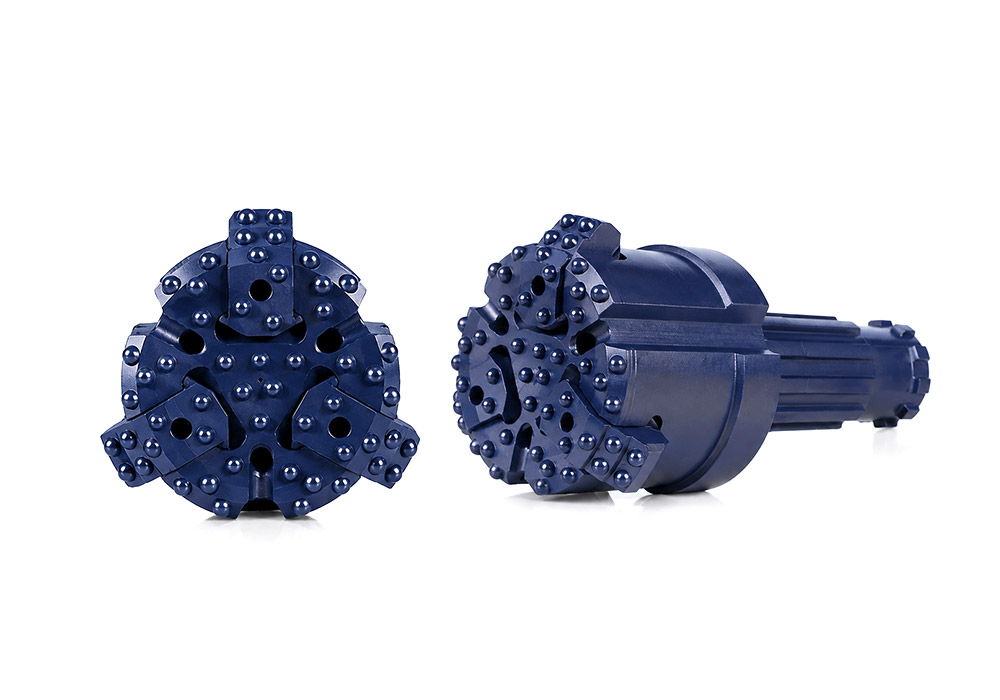
MSD concentric casing systems include pilot bit, ring bit, casing tube, and casing shoe. They are required for boulder-filled formations, running sand, high-pressure water zones, and any ground condition where eccentric systems reach their limits.

MSD has verified delivery capability for large-diameter concentric systems up to 800 mm and 1000 mm for major infrastructure projects including SE Asia bridge foundations.


Eccentric vs Concentric: Which System Do You Need?

The choice between eccentric and concentric depends on ground conditions and project requirements.

Choose eccentric (ODEX) when drilling through sand, gravel, loose soil, or clay without large boulders. ODEX is retrievable, lower cost, and sufficient for 80% of overburden drilling applications. It is the standard choice for water wells, light construction, and projects where casing recovery is desired.

Choose concentric (Symmetrix) when drilling through boulder-filled formations, running sand, high-pressure artesian zones, or extremely unstable ground where ODEX cannot maintain hole stability. Symmetrix provides maximum support but requires a higher initial investment and leaving the ring bit in the hole.

Rule of Thumb: Start with ODEX unless you know the formation contains boulders or extreme instability. Upgrade to Symmetrix only when ODEX reaches its limits — this approach minimizes cost while ensuring drilling success.


MSD Casing System Components

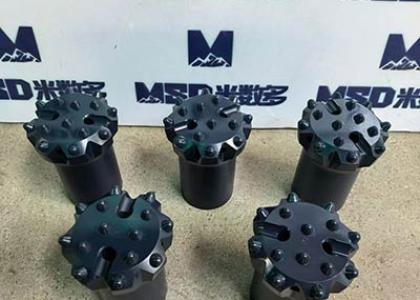
Pilot Bits — The center cutting tool that breaks rock ahead of the reamer or ring bit. Available in various diameters to match casing size.

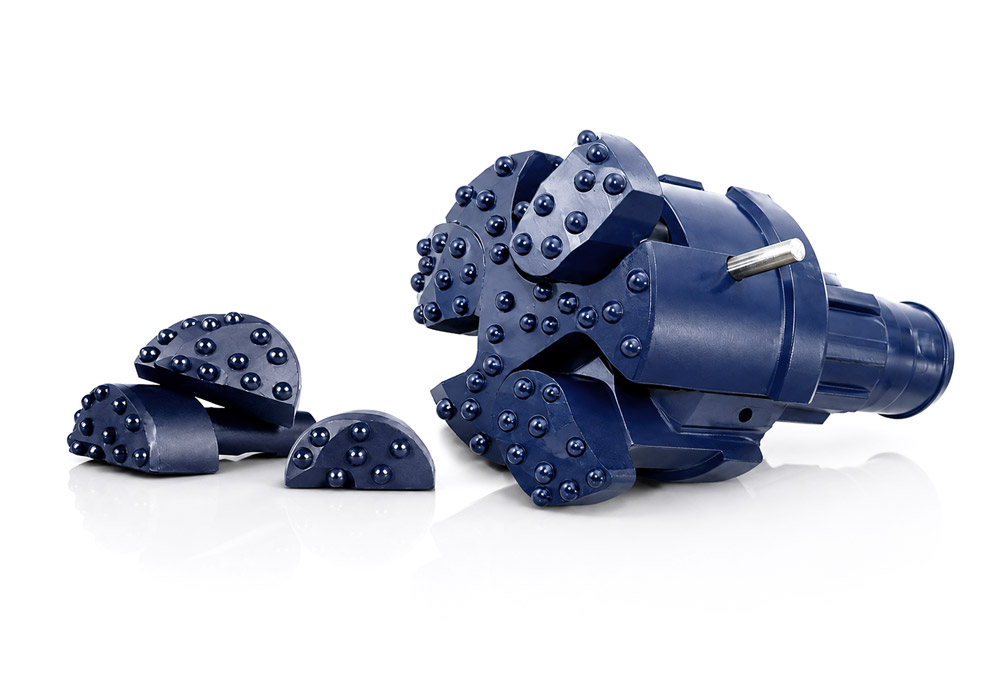
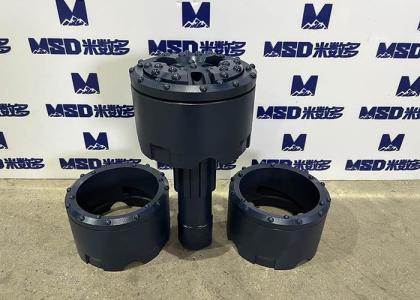
Eccentric Reamers — Swing outward during drilling to cut oversized hole, retract for retrieval. Precision-machined pivot mechanism for reliable operation.

Ring Bits — Cut at exact casing diameter for maximum stability. Premium tungsten carbide inserts for wear resistance in abrasive formations.

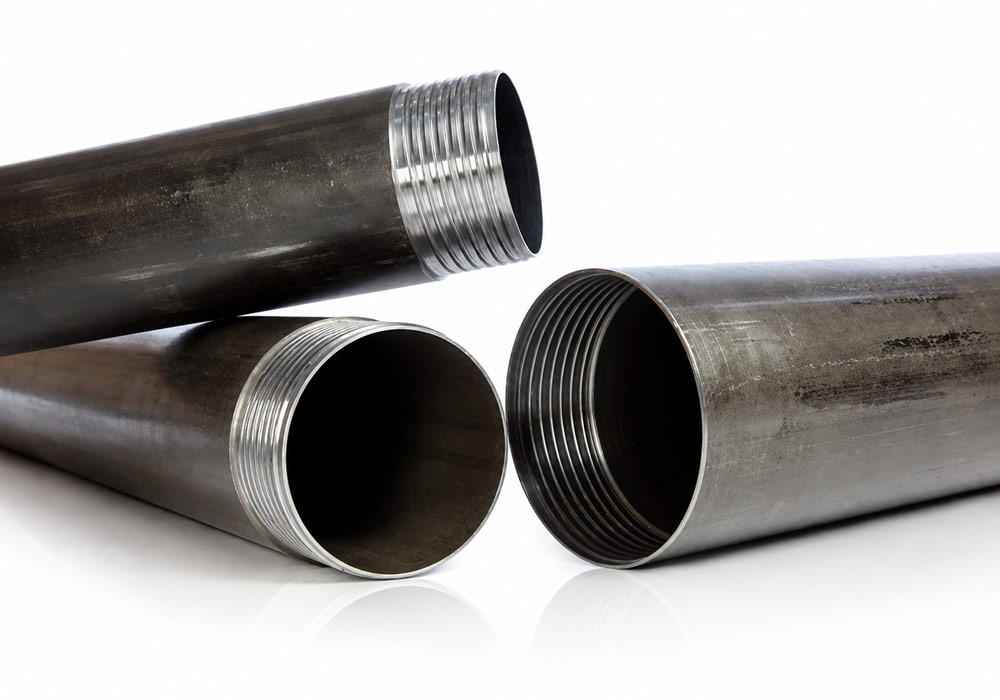
Casing Tubes — Heavy-wall steel tubes that support the hole and prevent collapse. Available in standard lengths with threaded connections.

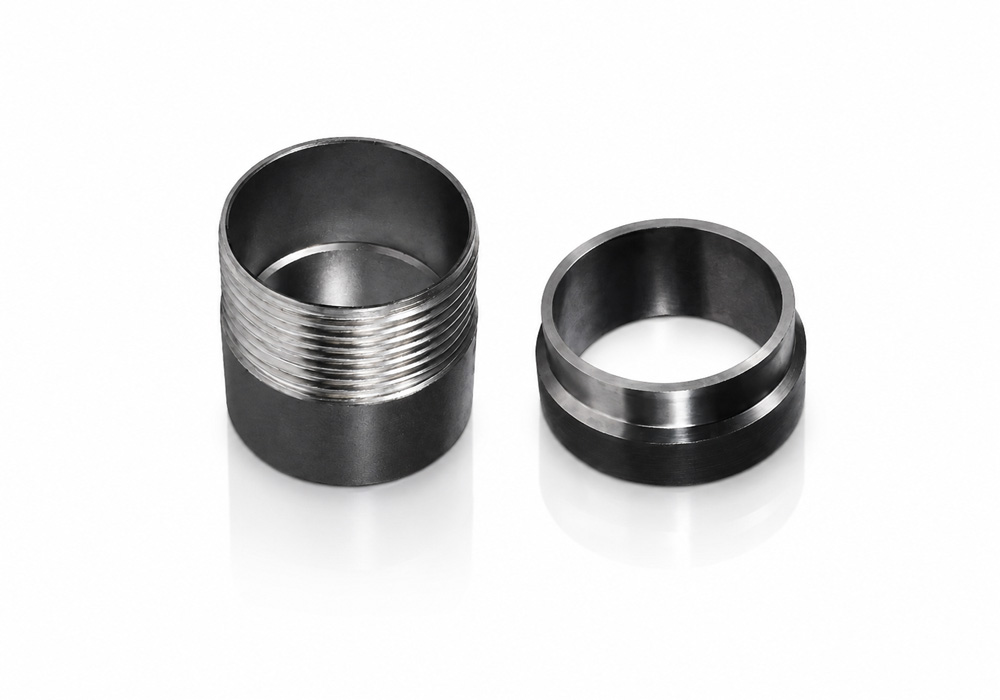
Casing Shoes — Hardened cutting edge at casing bottom that assists penetration through overburden material.


Why Choose MSD Casing Systems?

Complete System Supply — Pilot bits, reamers, ring bits, casing tubes, and shoes from a single source. Guaranteed component compatibility.

Large Diameter Capability — Verified delivery of 800 mm and 1000 mm concentric systems for major infrastructure projects.

Proven Field Performance — MSD casing systems are operating in water well, foundation piling, and construction applications across 40+ countries.

Cost-Effective ODEX — 80% of Symmetrix capability at 60% of the cost for most overburden conditions.

Heavy-Duty Interlocking Design — Our Symmetrix ring bits feature a massive interlocking bayonet design that increases the torque distribution area by over 30%. This completely eliminates the risk of ring bit fracture when hitting massive granite boulders.

ISO 9001 Certified — Full quality traceability on all casing system components.


Applications

Water Well Drilling — Casing through sand and gravel overburden to reach stable aquifer formations. ODEX systems for retrievable casing, Symmetrix for permanent installations.

Foundation Piling — Large-diameter casing for bridge foundations, high-rise buildings, and infrastructure projects. MSD large-diameter Symmetrix systems up to 1000 mm.

Construction — Anchor drilling and micropile installation through unstable surface soils. ODEX systems for cost-effective temporary casing.

Geotechnical — Site investigation drilling through variable overburden conditions. ODEX provides flexibility for diverse ground conditions.


Quality Assurance

Every MSD casing system component is manufactured under ISO 9001 certified quality management. Pilot bits and ring bits undergo hardness testing and insert retention verification. Reamers are function-tested for pivot operation. Casing tubes are dimensionally inspected and thread verified.

MSD casing systems are trusted by drilling contractors worldwide for reliable performance in challenging overburden conditions.

title-imgCASE STUDIES

PROVEN PERFORMANCE

service-img
Symmetrix Case Study: 100% Success Rate in South Africa Water Wells | MSD

MSD Concentric Casing System achieved 100% hole completion across 36 water wells in South

Read More
service-img
Thread Button Bit Case Study: 25% Faster Drilling at Australia Quarry | MSD

MSD T51-115mm thread button bit achieved 25% faster drilling and 30% longer life at Austra

Read More
service-img
DTH System Case Study: 24% Efficiency Boost at Brazil Iron Mine | MSD

MSD DTH hammer + drill pipe system achieved 24% faster drilling and 26% lower cost at Braz

Read More
service-img
QL60 DTH Bit Case Study: 70% Longer Life in Russian Iron Mine | MSD

MSD QL60-178 DTH bit achieved 340m per bit and 35% lower drilling cost in Russian hard roc

Read More
service-img
500mm DTH Bit Case Study: Zero Failures in Taiwan Piling Project | MSD

MSD custom 500mm DTH bit achieved zero structural failures and 40% efficiency gain in Taiw

Read More
faq & answer

Frequently Asked
Questions

A complete DTH (Down-the-Hole) system consists of three core components: the DTH Hammer, which provides the percussive force; the DTH Bit, which crushes the rock; and the DTH Drill Pipes, which transmit rotation and compressed air. A proper match between these components is critical for optimal performance.
You should choose DTH drilling for applications requiring deep holes (typically over 20 meters), large diameters (5 inches and above), or when drilling in hard rock formations (>200 MPa). DTH provides superior hole straightness and consistent energy at depth, where Top Hammer systems lose efficiency.
High-pressure (HP) DTH tools (18-25 bar) are designed for high-performance drilling in hard rock, offering faster penetration rates. Low-pressure (LP) tools (7-14 bar) are more economical and suitable for softer rock or applications where a high-capacity compressor is not available.
The selection process starts with your required hole diameter. This determines the DTH bit size. The DTH hammer is then chosen to match the bit's optimal operating range. For example, a 6-inch (152mm) hole typically requires a 6-inch class hammer like a DHD360 or QL60. Always consult the manufacturer's specification sheet for the best match.
title-img GET IN TOUCH

Send Us Your Inquiry

img
Facing a Drilling Challenge?

Let Our Engineers
Solve It?

Contact Us Contact Us