faq & answer
Frequently Asked
Questions
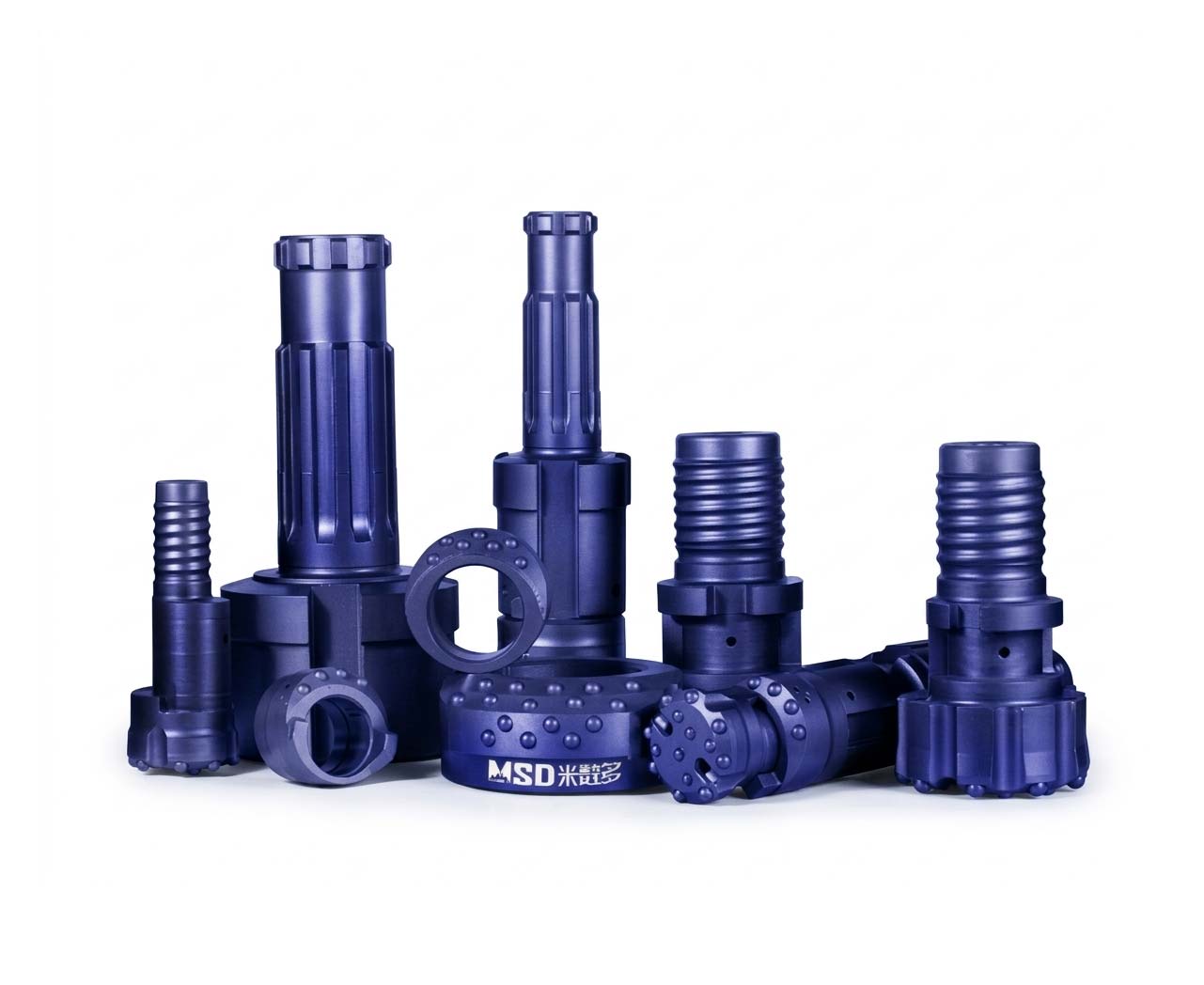
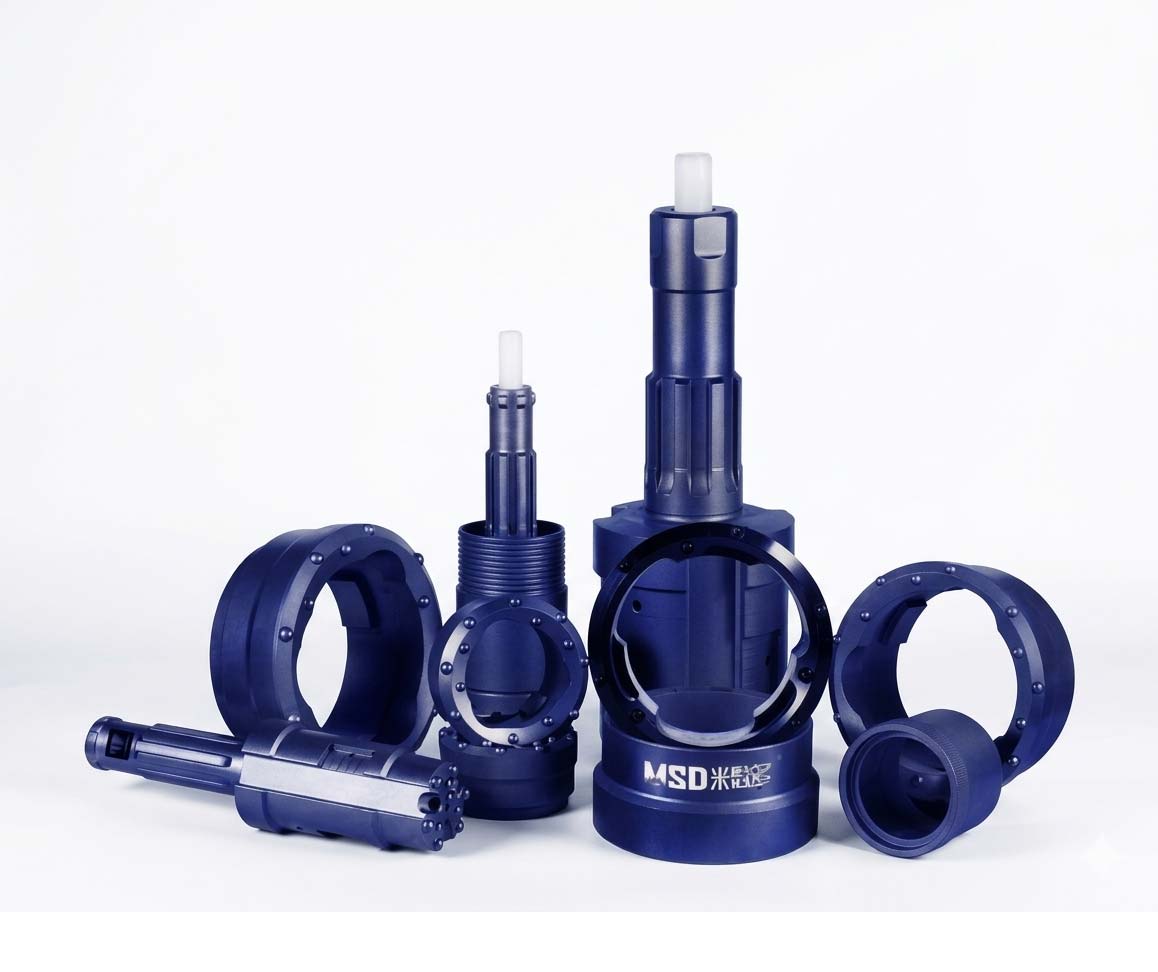
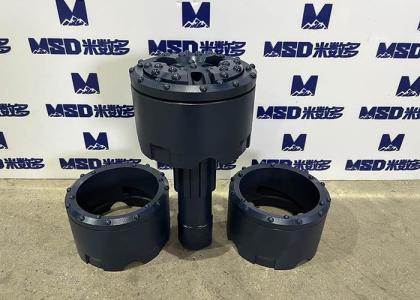
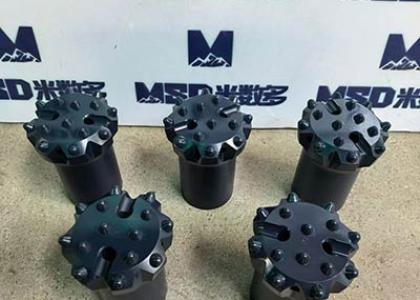
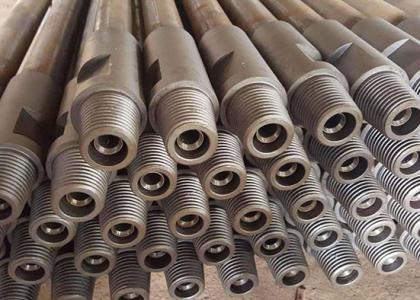
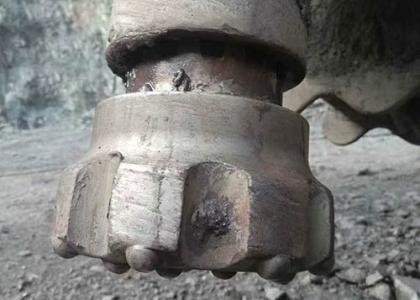
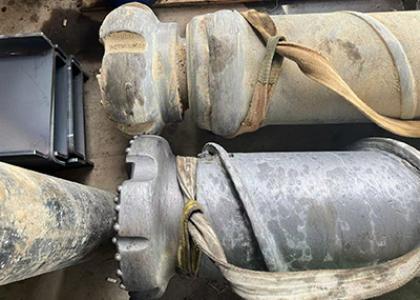
A complete DTH (Down-the-Hole) system consists of three core components: the DTH Hammer, which provides the percussive force; the DTH Bit, which crushes the rock; and the DTH Drill Pipes, which transmit rotation and compressed air. A proper match between these components is critical for optimal performance.
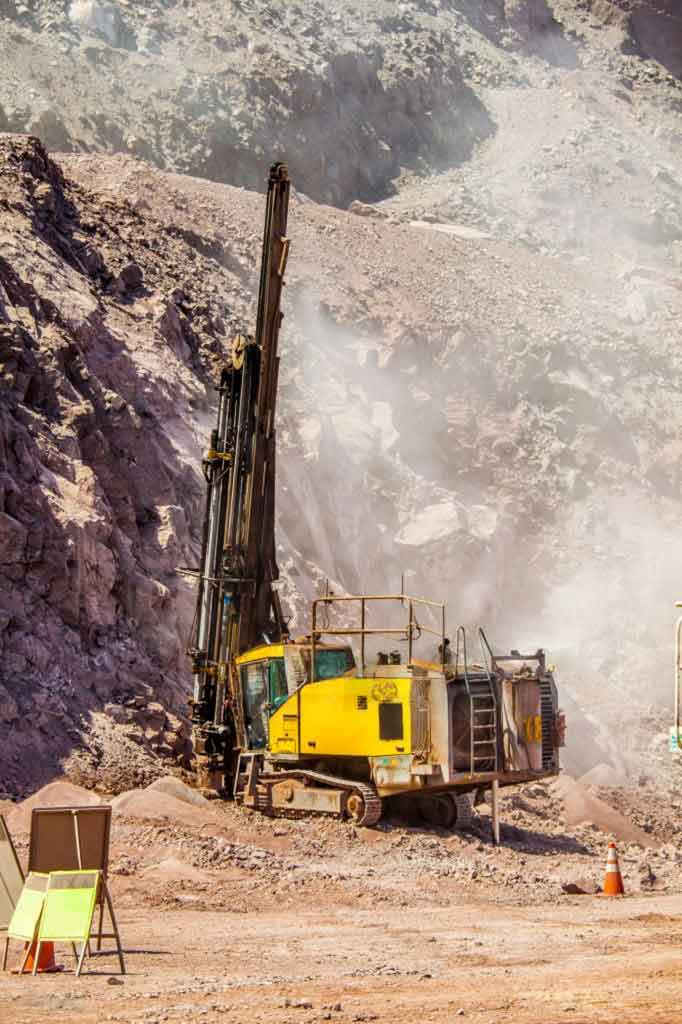
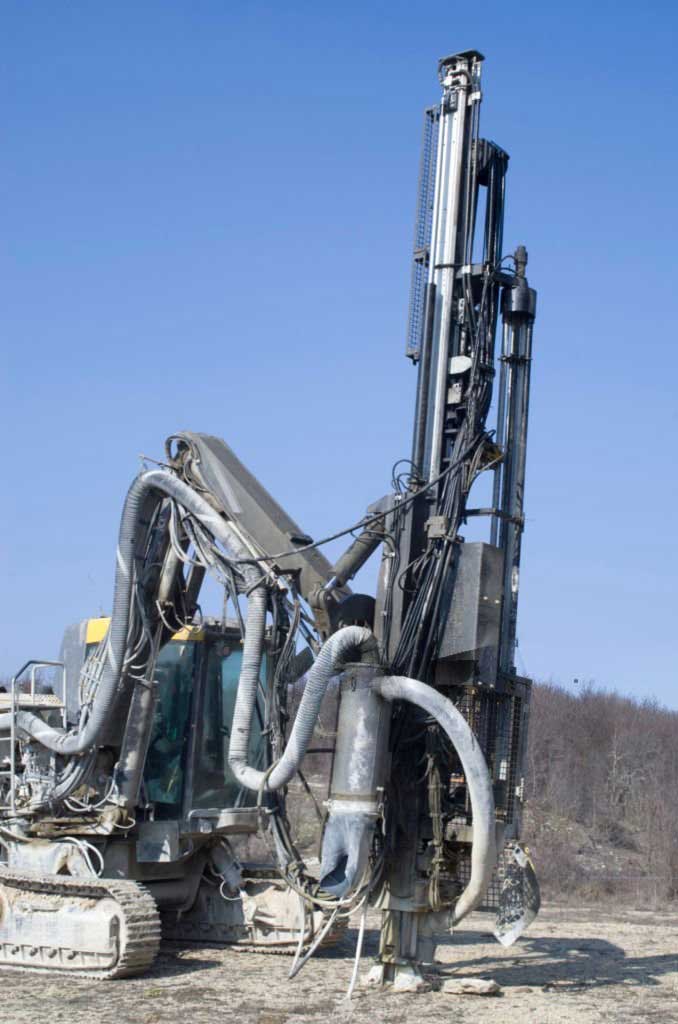
You should choose DTH drilling for applications requiring deep holes (typically over 20 meters), large diameters (5 inches and above), or when drilling in hard rock formations (>200 MPa). DTH provides superior hole straightness and consistent energy at depth, where Top Hammer systems lose efficiency.
High-pressure (HP) DTH tools (18-25 bar) are designed for high-performance drilling in hard rock, offering faster penetration rates. Low-pressure (LP) tools (7-14 bar) are more economical and suitable for softer rock or applications where a high-capacity compressor is not available.
The selection process starts with your required hole diameter. This determines the DTH bit size. The DTH hammer is then chosen to match the bit's optimal operating range. For example, a 6-inch (152mm) hole typically requires a 6-inch class hammer like a DHD360 or QL60. Always consult the manufacturer's specification sheet for the best match.


 PRODUCT LINES